
Know the myeloma warning signs
Learn the warning signs of the blood cancer, myeloma
Myeloma is a blood cancer, that is currently incurable.
Despite being the third most common type of blood cancer, myeloma is frequently missed, as the symptoms, including back pain, easily broken bones, fatigue, recurring infection, and pins and needles are vague and often linked to general ageing or minor conditions.
We know from speaking to people with myeloma that often, the signs of myeloma were there for a long time before diagnosis. We also know that people may have visited their GP several times with different symptoms before receiving that diagnosis.
That’s why we’re raising awareness of myeloma and its warning signs.
Our Myeloma Symptom Translator
Because describing vague symptoms can make being heard tricky, we have created a symptom translator to help conversations with GPs and make sure no patient falls through the net.
Designed with the help of people living with myeloma and GPs, the handy guide lists examples of symptoms in patients’ own words alongside the corresponding medical term for each.
If you or someone you know is experiencing the warning signs of myeloma then download the symptom translator and take it with you to your GP.
Why it’s so important to know the signs of myeloma
Carly, Mel, Mart and Louise all have myeloma. In this video, they share their advice on why it’s so important to know the symptoms of myeloma, while having yellow warning signs painted directly onto their bodies in the areas where the most common symptoms are found.
The most recognisable symptoms of myeloma

Pain
Persistent pain, usually in the back, ribs or hips, without a clear cause that doesn’t go away even when resting
It might feel like:
“Bones were aching, felt as if my bones were being squeezed in a device”
or
“It was like a small elastic band was pulling my shoulder blades together. When I tried to lift my arms to brush my hair, the elastic band got even shorter and tighter.”

Easily broken bones
Breaks or fractures to bones – particularly in the back, rib cage or hips – that happen more easily than they should
It might feel like:
“Lying flat in bed became impossible, I used to sleep sat up in a chair. When I lay flat I felt
like I couldn’t breathe.”
or
“My fall from a low stool initially felt like I might have caught a nerve, due to the sharpness of
pain. I didn’t imagine a fall from less than a couple of feet would cause my bones to break.”

Fatigue
Persistent tiredness or breathlessness that can’t be explained by anything else
It might feel like:
“I was able to do 10,000 steps a day but this fell to 2,000 or less.”
or
“I could fall asleep anywhere very quickly even if I had slept all night. I could be falling
asleep after breakfast!”

Recurring infection
Recurring or persistent infections e.g. throat, chest or urinary
It might feel like:
“Lots of chest infections and picked up any illnesses going.”
or
“Had urine infection it would go away for a while but always came back.”
Top Myeloma Facts
- Myeloma is an incurable blood cancer that occurs in the bone marrow and currently affects more than 33,000 people in the UK
- Myeloma mainly affects those over the age of 65, however, it has been diagnosed in people much younger.
- While the risk remains relatively low, myeloma is 2–3 times more common in black people than white people. Myeloma is also more likely to affect black people at a younger age than people from other ethnic groups.
- While it is incurable, myeloma is treatable in the majority of cases.
Everyone’s experience of myeloma is different, and each person has their own journey. But we’re here to make sure no one faces myeloma alone.
Worried about myeloma?
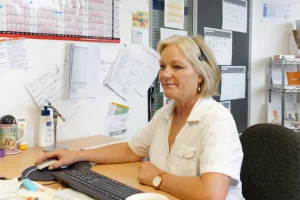
If you’re worried you might have the symptoms of myeloma, or are going through a myeloma diagnosis, you’re not alone. Our Myeloma Information Specialists are here to offer a listening ear and practical support.

“You wouldn’t ignore a red light on the road or a caution sign on a freshly-mopped floor, so why ignore the warning signs that your body sends you?
Myeloma has one of the longest times to diagnosis of any cancer. One of the biggest barriers remains identifying and piecing together the symptoms quickly and before too much damage is done.
The most important thing you can do is get your symptoms checked. We know that myeloma can be difficult to diagnose, so bring the Myeloma UK Symptom Translator with you to the GP, ask for answers and get to the bottom of what’s causing your pain, infections or fatigue.
Know the warning signs, put your health first and help us catch myeloma earlier.”
Sophie Castell, Chief Executive of Myeloma UK
Myeloma warning signs
Carly, Mel, Mart and Louise share their warning signs.
Mel’s story
Carly’s story
Louise’s story
Mart’s story

Stay in touch
We’d love to stay in touch. Join our mailing list to receive updates from Myeloma UK including our monthly newsletter and updates about our services, research, campaigns and other ways you can get involved.


