
Myeloma and anaemia
Anaemia is a common complication among myeloma patients, often causing fatigue, shortness of breath and weakness that can affect daily life. It’s important to understand how anaemia is connected to myeloma, its symptoms, and ways to manage it effectively. Updating your healthcare team with any symptoms you’re experiencing will ensure you receive the right support and treatment to manage this condition.
In this month’s blog, we answer some of the questions you ask our Myeloma Infoline team about anaemia.
What is anaemia?
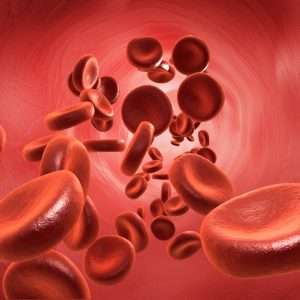
In anaemia, the number of red blood cells (RBCs), or the amount of haemoglobin within them, is lower than normal. Red blood cells use haemoglobin to carry oxygen from the lungs to tissues and organs around your body. When there aren’t enough red blood cells or haemoglobin, the body doesn’t receive as much oxygen.
What causes anaemia?
There are different types of anaemia, which have different possible causes. However, people living with myeloma are more likely to experience anaemia for the following reasons:
Anaemia caused by myeloma
In myeloma, abnormal plasma cells (a type of white blood cell) grow quickly and uncontrollably in the bone marrow, which is where healthy blood cells are produced. The abnormal cells can overcrowd the bone marrow, making it harder for the body to produce healthy blood cells, including red blood cells. This can result in a lower number of red blood cells.
Anaemia caused by kidney damage from myeloma
The kidneys play an important role in stimulating the production of red blood cells by releasing a hormone called erythropoietin. This hormone tells the bone marrow to produce more red blood cells. However, myeloma can cause damage to the kidneys, resulting in less erythropoietin, and fewer red blood cells.
Anaemia caused by myeloma treatment
Anaemia can be a side effect of some myeloma treatments. Your healthcare team can advise you on what side effects you can expect from treatments and how they can be monitored and managed. There are many different treatment options available and reporting any side effects to your healthcare team can help them adjust your treatment plan to suit you best.
What else can cause anaemia?
Myeloma, its complications and treatments are not the only causes of anaemia. It can be caused by many other factors, with the most common being iron deficiency. Iron is crucial for the formation of haemoglobin, so when there are low levels of iron (ferritin) in the body, haemoglobin levels can drop, leading to anaemia.
Food is the main source of iron for our bodies so ensuring you have a balanced diet can help to prevent or manage conditions like iron deficiency anaemia. For information on maintaining a balanced diet, you can visit the Diet and exercise pages on our website. The NHS website has more information on iron deficiency anaemia.
What are the symptoms of anaemia?
Anaemia can affect people in different ways, common signs include:
- Fatigue and weakness.
- Dizziness and light-headedness.
- Shortness of breath, especially when you’re active.
- Pale skin.
- A more noticeable, fast or irregular heartbeat (palpitations).
- Cold hands and feet.
Some symptoms of anaemia can have a significant impact on your daily life, making it harder to carry out everyday activities. Keeping your healthcare team informed about any new or increasing symptoms helps them to monitor you and your myeloma better and offer you the right treatment and support.
Our Infopack for living well with myeloma and our Fatigue Infoguide also contain some helpful information for managing the complications of living with myeloma and the side effects of its treatments.
How is anaemia diagnosed?
In myeloma patients, anaemia is usually diagnosed through a blood test and by looking at symptoms and medical history. The blood test checks the number of red blood cells, haemoglobin levels and other important factors in your blood. Blood tests can also check kidney function and iron levels.
Normal ranges of haemoglobin are 135–180 g/L (grams per litre) in men and 115–160 g/L (grams per litre) in women, though this can vary slightly between laboratories. People may experience the effects from low haemoglobin differently to others, so these numbers are just part of the diagnosis. How you are feeling and how your symptoms are affecting your daily activities are key factors in helping you and your healthcare team choose the best treatment for your circumstances.
What treatment is available?
Finding out the underlying cause of the anaemia will enable your healthcare team to provide you with the most effective treatment. Based on the cause and severity, treatment options may include:
- Changes to your treatment plan if the anaemia is caused by the treatment itself, for example, breaks in treatment or reducing treatment doses.
- Dietary changes may be suggested by your healthcare team if the anaemia is caused by iron deficiency. This can help you get the nutrients you need. They may also recommend iron supplements or infusions. Always check with your healthcare team before starting any new supplements or making big changes to your diet as some may interact with your treatment.
If haemoglobin levels are critically low, additional treatments may include:
- A blood transfusion. This can immediately increase the number of red blood cells in the blood and bring your haemoglobin up towards normal levels quickly. If normal levels are not maintained long term, regular transfusions may be needed.
- An injection of erythropoietin to stimulate production of red blood cells. This can take several weeks to relieve some of the symptoms of anaemia so you could be given blood transfusions whilst waiting for it to take effect.
How can I live well with anaemia and fatigue?
As well as getting treatment for anaemia from your healthcare team, there are some tips you may find useful to help with the symptoms:
- Eat a well-balanced diet; a diet rich in iron, folic acid and vitamin B12 can help support red blood cell production. Foods such as leafy greens, lean meats and fortified cereals are good. You can ask to be referred to a dietician if you have trouble maintaining a well-balanced diet. Pages 75-88 of our Infopack for living well with myeloma contains some useful information about diet.
- Have a daily routine: this may help you to pace yourself and balance your activities with adequate rest. You may find it helpful to plan your daily activities around the times you feel less fatigued during the day.
- Regular, gentle exercise may help to boost your energy and reduce fatigue. It’s sensible to discuss any new exercise routine with your healthcare team first.
- Keep a diary: this may help you identify and keep track of things that may contribute to your fatigue or recognise things that help to relieve it. Our free Patient Diary is available online.
Recognising the symptoms of anaemia and working with your healthcare team to treat it effectively can support you in managing the condition and help you live well with myeloma.
If you have any further questions or need support, contact us through the Myeloma UK Infoline at 0800 980 3332 (UK) or use our Ask the Nurse email service.



Browse library content

Stay in touch
We’d love to stay in touch. Join our mailing list to receive updates from Myeloma UK including our monthly newsletter and updates about our services, research, campaigns and other ways you can get involved.


